

You can quickly fix common tech issues by restarting your device to clear glitches and improve speed. Clear app caches and free up storage to boost smartphone performance. Keep your software and apps updated for stability. Check your internet connection and reset network settings if needed. On PC, disable unnecessary startup programs and run antivirus scans to remove malware. Use Safe Mode to troubleshoot software conflicts efficiently. Explore further for more essential troubleshooting tips to optimize your devices.
Key Takeaways
- Restart your device regularly to fix minor glitches, refresh memory, and resolve unresponsive apps quickly.
- Clear app cache frequently to improve performance, free storage, and fix corrupted data issues.
- Update your device software and apps to enhance stability, fix bugs, and apply security patches.
- Reset network settings to resolve connectivity issues by removing corrupted Wi-Fi profiles and restoring defaults.
- Manage startup programs on PCs to reduce boot time and free system resources for faster performance.
Restart Your Device to Fix Minor Glitches
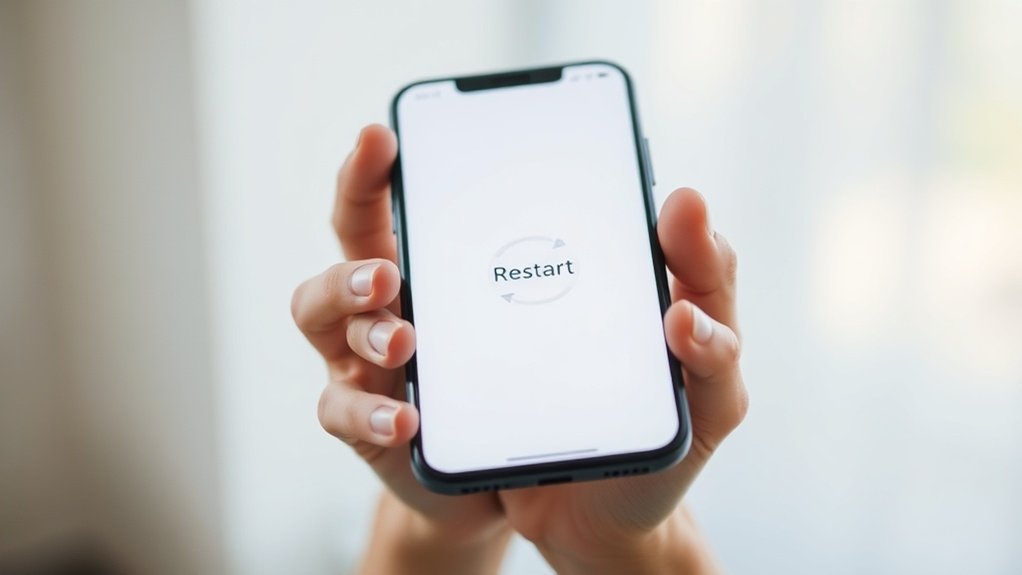
Although it may seem simple, restarting your device often resolves minor glitches quickly. When your smartphone or computer acts sluggish or apps freeze, a reboot refreshes the system’s memory and clears temporary files that might be causing issues. You don’t have to plunge into complex troubleshooting right away; just power off, wait a few seconds, and turn it back on. This action can fix connectivity problems, unresponsive apps, and battery drain caused by background processes. For more practical tech advice, mytecharm com offers clear, step-by-step guides to help you troubleshoot common device hiccups. Remember, restarting is a fast, effective first step before exploring more advanced fixes. It saves time and often restores your device’s smooth performance without extra effort. Engaging in such simple troubleshooting can also promote emotional healing and self-expression, which is essential for maintaining a positive mindset during tech frustrations.
Clear App Cache to Fix Slow Smartphone Performance
If your smartphone is running slow, clearing the app cache can help improve performance by freeing up storage and removing outdated data. You can remove cache for individual apps through your device settings, following a simple step-by-step process. It’s best to clear the cache when apps start behaving oddly or after a long period of use without maintenance. Regularly clearing the cache can serve as an opportunity for consistent practice in maintaining your device’s performance.
Benefits of Clearing Cache
When your smartphone starts running slowly, clearing the app cache can often restore its speed and responsiveness. Cached data accumulates over time as apps store temporary files to improve performance. However, this buildup can consume significant storage and slow down your device. By clearing the cache, you free up space, which helps your phone operate more effectively. It also resolves minor glitches caused by corrupted or outdated cache files, ensuring apps run smoothly. Additionally, clearing cache can improve battery life since your device won’t work as hard managing excess data. Overall, regularly clearing app cache maintains peak device performance and responsiveness without affecting your personal data or app settings. This simple maintenance step is a practical way to keep your smartphone running efficiently.
Step-by-Step Cache Removal
Since cached files can slow down your smartphone, clearing them is a straightforward way to boost performance. To remove cache on Android, go to Settings > Apps, select the app, then tap Storage > Clear Cache. On iOS, you generally need to delete and reinstall the app to clear its cache, as there’s no direct cache clearing option. Alternatively, for some apps like Safari, you can clear cache through Settings > Safari > Clear History and Website Data. Clearing cache won’t delete your personal data but will remove temporary files that may cause sluggishness. Repeat this process for apps that consume significant cache storage. Regularly clearing cache helps keep your device running smoothly without affecting app functionality or user settings.
When to Clear Cache
How do you know it’s time to clear your app cache? When your smartphone starts lagging, apps take longer to open, or you notice unexpected crashes, clearing the cache can help. Cache stores temporary data to speed up app performance, but over time, it accumulates and may cause slowdowns. If your device’s storage is running low, clearing cache frees up space without deleting personal data. Also, after app updates, clearing cache can resolve glitches caused by outdated files. However, don’t clear cache too frequently, as it forces apps to reload data, which might temporarily slow performance. Monitor your phone’s behavior, and when you encounter persistent slowdowns or errors, it’s a good indication to clear the app cache and improve overall responsiveness.
Update Software and Apps for Better Stability
Although updating software and apps might seem like a minor task, it plays an essential role in enhancing your device’s stability. Updates fix bugs, improve performance, and protect against security threats. To guarantee your device runs smoothly, follow these steps:
- Check for updates regularly in your device settings or app store.
- Enable automatic updates to avoid missing critical patches.
- Review update notes to understand improvements or fixes included.
- Restart your device after installing updates to apply changes properly. Additionally, regular practice in maintaining your device can prevent future issues and enhance overall performance.
Free Up Storage Space to Prevent Device Slowdowns

When your device runs low on storage, it can slow down considerably and affect overall performance. To prevent this, regularly clear out unnecessary files like old photos, videos, and documents. Delete unused apps that take up space and clear cache data from apps to free up storage quickly. Use built-in tools to identify large files and manage storage efficiently. Consider moving media files to cloud storage or an external drive to keep your device clutter-free. Regularly checking your storage status helps you stay ahead of potential slowdowns. By maintaining ample free space, you guarantee your device operates smoothly and responds faster, reducing frustrating delays during everyday use. Engaging in creative outlets can also provide a beneficial distraction from the stress of device management. Don’t wait for issues to arise—make storage management a routine part of your device care.
Check Internet Connection to Fix Network Issues
Why does your internet suddenly slow down or disconnect? It often comes down to your connection status. To troubleshoot, first check if your device is properly connected to Wi-Fi or Ethernet. Next, verify if your router’s indicator lights show normal activity. Third, test your internet speed using an online tool to identify any slowdowns. Finally, try connecting another device to see if the problem persists across devices. These steps help you pinpoint whether the issue lies with your device, network, or service provider. By systematically checking your internet connection, you avoid unnecessary fixes and get back online faster. Remember, a stable connection is the foundation of smooth online experiences. Additionally, embracing imperfection in your troubleshooting process can lead to quicker resolutions and better overall understanding of network issues.
Reset Network Settings to Fix Connectivity Problems

If your device keeps losing connection, resetting your network settings can help resolve underlying issues. You’ll typically find this option in your system’s settings under network or general management. Resetting clears saved Wi-Fi passwords and configurations, giving your device a fresh start to connect properly. Additionally, mindfulness practices can also support your overall mental clarity and focus, which may enhance your troubleshooting effectiveness.
Network Settings Reset Steps
Resetting your network settings can quickly resolve many connectivity problems by clearing out any misconfigurations or conflicting data. Here’s how you can reset your network settings efficiently:
- Open your device’s Settings app and navigate to the “Network” or “General” section.
- Find and select the “Reset” option, then choose “Reset Network Settings.”
- Confirm your choice when prompted; this will erase saved Wi-Fi passwords, VPN settings, and Bluetooth connections.
- Once reset, restart your device to allow settings to refresh and reconnect to your networks.
Following these steps guarantees you start with a clean slate, eliminating potential sources of connection issues and often restoring stable internet access without complicated adjustments.
Benefits of Resetting Network
Although network issues can stem from various sources, resetting your network settings offers clear benefits by addressing many common connectivity problems at once. When you reset, you erase any incorrect configurations that might be causing conflicts, such as outdated IP addresses or DNS settings. This process also clears saved Wi-Fi networks, which can remove corrupted profiles that block access. By doing so, you restore your device’s network preferences to their default state, often resolving issues like intermittent connections, slow speeds, or failure to connect. Additionally, resetting can fix problems caused by software glitches without requiring advanced technical knowledge. Overall, this simple step can save you time and effort, providing a straightforward way to troubleshoot and improve your device’s network performance effectively.
Turn Off Startup Programs You Don’t Need (PC)
Since many programs automatically launch when you start your PC, turning off those you don’t need can greatly speed up boot times and improve overall performance. To manage startup programs, follow these steps:
- Press Ctrl + Shift + Esc to open Task Manager.
- Click the Startup tab to view all programs set to run at startup.
- Identify programs you rarely use or don’t need immediately after boot.
- Right-click unwanted programs and select Disable.
Disabling unnecessary startup programs frees system resources and reduces delays during boot. You can always re-enable them later if needed. Regularly reviewing your startup list guarantees your PC runs efficiently without unwanted software slowing it down. Furthermore, engaging with technology can enhance critical thinking skills, allowing you to troubleshoot issues more effectively.
Run Antivirus Scans to Remove Malware (PC)
Anyone can encounter malware on their PC, which can slow down performance or compromise your data. To protect your system, regularly run antivirus scans using reputable software. Start by updating your antivirus definitions to guarantee it detects the latest threats. Perform a full system scan, which thoroughly checks all files and programs. If malware is found, follow the antivirus prompts to quarantine or remove the threats immediately. Avoid ignoring warnings or postponing scans, as malware can spread or cause further damage. Additionally, consider scheduling automatic scans to maintain continuous protection. Running these scans is essential for detecting hidden infections that might not be obvious but can degrade your PC’s functionality or steal sensitive information. Stay proactive to keep your system secure and running smoothly. Art consultants play a crucial role in providing guidance on market trends and ensuring your creative pursuits remain protected.
Use Safe Mode to Troubleshoot Software Conflicts
Running antivirus scans helps eliminate malware that could cause system issues, but software conflicts can also disrupt your PC’s performance. Using Safe Mode lets you troubleshoot these conflicts by starting your computer with minimal drivers and services. Here’s how to use Safe Mode effectively:
- Restart your PC and press the appropriate key (like F8 or Shift + Restart) to access Safe Mode options.
- Select Safe Mode or Safe Mode with Networking if you need internet access.
- Observe if the issue persists; if it doesn’t, a software conflict is likely causing the problem.
- Uninstall recently added programs or update drivers to resolve the conflict.
Safe Mode isolates problematic software, helping you identify and fix conflicts without affecting your full system environment, much like how digital art allows for quick adjustments and flexibility in the creative process.
Restore Your Device to Factory Settings
If your device continues to experience issues despite troubleshooting, restoring it to factory settings can provide a fresh start by erasing all data and returning the system to its original state. Before you proceed, back up important files to avoid permanent loss. Access the reset option in your device’s settings, usually under “System” or “Backup & Reset.” Follow the prompts carefully, as this process deletes personal data, apps, and custom settings. After the reset, your device will reboot and function like new. Use this method only when other troubleshooting steps fail, as it’s a last resort that resolves persistent software problems by eliminating potential corrupt files or misconfigurations. Restoring factory settings often improves performance and stability effectively. Additionally, tracking your progress tracking can help you monitor improvements in device performance post-reset.
Frequently Asked Questions
How Can I Recover Deleted Files on My Device?
Like finding a needle in a haystack, you can recover deleted files by checking the recycle bin, using file recovery software, or restoring from backups. Act quickly to maximize recovery chances before data gets overwritten.
What Are the Best External Storage Options?
You should consider SSDs for speed, HDDs for cost-effective large storage, and USB flash drives for portability. External NAS devices offer network access and backup features, giving you flexible, reliable storage tailored to your needs.
How Do I Improve Battery Life on My Smartphone?
You can improve your smartphone’s battery life by lowering screen brightness, disabling background apps, turning off unnecessary notifications, using battery saver mode, updating apps regularly, and avoiding extreme temperatures to keep your battery healthy and lasting longer.
Can I Upgrade My Device’s Hardware Myself?
Upgrading your device’s hardware yourself can feel like climbing Everest without oxygen! You can, but it’s tricky and risks damage. Only attempt if you’re confident, have the right tools, and follow detailed guides carefully.
What Are Safe Ways to Dispose of Old Electronics?
You should recycle old electronics at certified e-waste centers, donate working devices, or use manufacturer take-back programs. Always erase personal data before disposal to protect your privacy and follow local regulations for safe handling.


