On your Andharban monsoon trek, gear up with waterproof covers, sturdy tripods, and weather-sealed cameras to brave the rain-soaked trails. Capture the soft, glowing light during early mornings or late afternoons as mist weaves through lush greenery and waterfalls. Embrace slow shutter speeds for silky water effects while protecting your gear with quick-dry clothing and sealed bags. Move slowly to reveal hidden peaks cloaked in fog—there’s much more to discover for capturing this enchanting landscape’s full magic.
Key Takeaways
- Use waterproof camera covers and weather-sealed gear to protect equipment from heavy monsoon rains during the Andharban trek.
- Photograph early mornings and late afternoons for soft, diffused light that enhances lush green landscapes and misty atmospheres.
- Employ sturdy tripods with rubber feet and slow shutter speeds to capture smooth waterfall flows and avoid camera shake on slippery trails.
- Layer foreground foliage with mist and slightly underexpose shots to capture the Sahyadri Valley’s foggy, mysterious scenes effectively.
- Carry microfiber cloths and sealed plastic bags to keep lenses dry and clear while navigating wet, humid trekking conditions.
Essential Gear for Andharban Monsoon Photography
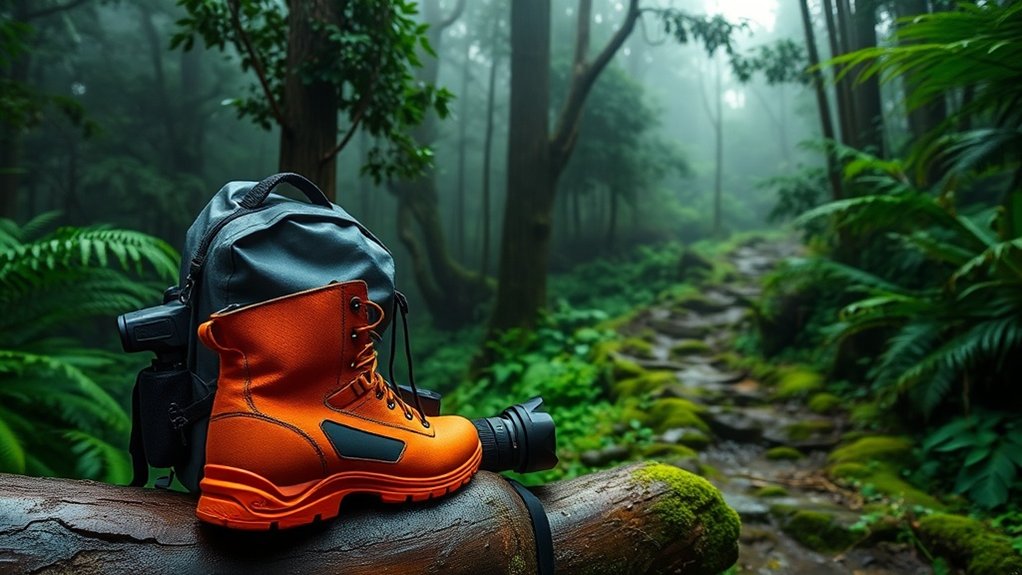
When you venture into Andharban during the monsoon, packing the right gear becomes essential to capture the lush, rain-soaked landscape without risking your equipment. On the Andharban trek, waterproof camera covers shield your gear from sudden downpours, while microfiber cloths help you swiftly clear raindrops off your lens. A sturdy tripod keeps your shots steady despite slippery terrain, and a weather-sealed camera body guarantees durability. Don’t forget extra batteries—they drain faster in damp conditions. Carry a lightweight rain jacket with good ventilation to keep yourself dry without overheating, and waterproof hiking boots for firm footing on muddy trails. With this essential gear, you’ll immerse yourself fully in Andharban’s monsoon magic while preserving your camera’s safety and capturing vivid, rain-kissed frames. Additionally, engaging with the environment through photography can enhance psychological understanding, allowing you to forge deeper connections with the stunning landscape around you.
Best Times and Spots for Monsoon Photography in Andharban
Although the monsoon clouds can linger unpredictably, you’ll find that early mornings and late afternoons offer the most enchanting light for capturing Andharban’s verdant beauty. The soft, diffused glow bathes the lush foliage in a magical hue, making every leaf shimmer with life. Head to the dense forest trails near the waterfall; the mist swirling around the cascading water creates an ethereal atmosphere perfect for dramatic shots. Don’t miss the panoramic viewpoints along the ridge, where rolling hills drenched in rain reveal layers of vibrant green fading into the mist. As the sun pierces through cloud breaks, you can capture those fleeting golden moments that transform the landscape into a vivid canvas of nature’s monsoon splendor. Engaging in nature photography not only nurtures emotional healing but also allows for a deeper connection to the surroundings.
Protecting Your Camera and Staying Safe in the Rain
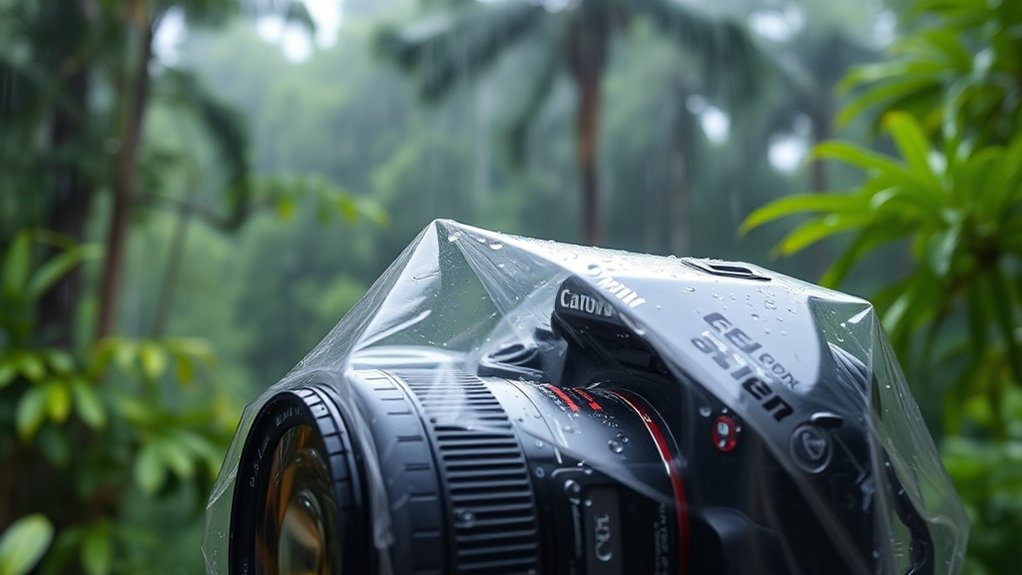
You’ll want to wrap your camera in waterproof gear to shield it from the relentless monsoon drizzle. Keep your footing steady on slippery trails and watch for sudden downpours that can catch you off guard. Staying safe and dry means you can focus on capturing those breathtaking rainy moments without worry. Additionally, understanding the importance of shadows can enhance your photography by adding depth and mood to your rainy scenes.
Waterproof Gear Essentials
Three essential waterproof gear items can make all the difference in protecting your camera and keeping you safe as you navigate Andharban’s monsoon trails. First, invest in a durable rain cover designed to snugly shield your camera and lens from relentless downpours. Its transparent material lets you shoot without removing protection, so you never miss a moment. Next, pack a waterproof backpack or dry bag — your gear stays bone dry, even when the monsoon hits with full force. Finally, slip on waterproof gloves that allow you to handle your camera comfortably while shielding your hands from cold rain and slippery surfaces. These essentials keep your equipment safe and your hands steady, empowering you to capture Andharban’s lush, rain-soaked beauty without worry.
Safety Tips In Rain
Keeping your camera dry with waterproof gear is just one part of mastering monsoon photography on the Andharban trek. You’ll also need to watch your footing; slippery rocks and muddy trails demand steady, deliberate steps. Use a sturdy tripod with rubber feet to avoid slips when setting up shots. Keep an eye on the sky—sudden downpours are common, so pack quick-dry clothing and a rain poncho. Protect your gear by storing lenses and cameras in sealed plastic bags between shots to prevent moisture buildup. Avoid touching metal parts when wet to prevent rust and always dry your equipment thoroughly at the end of the day. By staying alert and prepared, you’ll capture stunning monsoon moments without risking your safety or your precious gear.
Capturing Mist and Fog Over the Sahyadri Valley
When the Sahyadri Valley shrouds itself in mist and fog, it transforms into a mystical canvas that beckons your camera lens. You’ll want to move slowly, letting the swirling clouds reveal hidden peaks and fading tree lines. Adjust your exposure to avoid washed-out whites—underexpose slightly to preserve detail in the dense fog. Use a wide aperture to capture the soft, diffused light that blankets the valley, creating a dreamy atmosphere. Focus on layering—foreground foliage peeking through mist adds depth and mystery. Keep your lens clean from moisture, and embrace the unpredictable patterns as wisps curl and drift. This ethereal setting invites you to capture not just a scene, but the fleeting mood of the Sahyadri’s monsoon embrace. Additionally, layering textures in your photographs can enhance the emotional impact of the misty landscape.
Waterfall Photography Techniques in Andharban’s Monsoon

Although the monsoon rains drench Andharban’s trails, they awaken its waterfalls into roaring cascades that demand your camera’s attention. To capture their dynamic beauty, slow your shutter speed to blur the water’s motion, creating silky flows that contrast with the rugged rocks. Use a tripod to keep your frame steady amid slippery terrain and consider a polarizing filter to reduce glare and intensify greens.
| Technique | Effect |
|---|---|
| Slow Shutter Speed | Smooth, flowing water |
| Tripod Use | Sharp, stable images |
| Polarizing Filter | Reduced glare, vibrant colors |
| Low ISO | Minimized noise in dim light |
Embrace the misty spray to add atmosphere, but protect your lens for clear, vivid waterfall shots.
Composing Shots of Andharban’s Dense Canopy and Greenery
As you step beneath Andharban’s dense canopy, shafts of filtered sunlight dance through vibrant leaves, inviting you to frame nature’s intricate patterns. Focus on layering—capture overlapping leaves, twisting branches, and glimpses of the moss-covered floor to create depth. Use a wide aperture to blur distant foliage, emphasizing textures and droplets clinging to emerald fronds. Look for natural frames like arching vines or tree trunks to guide the viewer’s eye. Don’t hesitate to shoot upward, catching sunbeams piercing the green ceiling or downward to reveal the lush undergrowth. Embrace the rich, saturated tones of monsoon moisture, but watch for overexposure in bright patches. By balancing light and shadow, you’ll compose shots that immerse viewers in Andharban’s vibrant, living tapestry. Incorporating texture experimentation can further enhance the visual impact of your photography.
Frequently Asked Questions
How Do I Reach Andharban Trek Starting Point From Mumbai?
You’ll cover about 130 kilometers from Mumbai to reach the Andharban trek’s start at Kondana village. Hop on a train or drive to Karjat, then take a local ride through lush green Ghats to Kondana.
Are There Any Permits Required for Andharban Trek?
You don’t need any permits for the Andharban trek, so you can dive straight into the lush greenery. Just pack your gear, respect nature, and let the monsoon magic sweep you into its vibrant, misty embrace.
What Is the Difficulty Level of the Andharban Trek?
You’ll find the Andharban trek moderately challenging, covering about 6 kilometers through dense forests and slippery trails. It takes around 3-4 hours, so you’ll need steady footing and a good pace to enjoy its stunning monsoon beauty.
Are There Any Accommodations Available Near Andharban Trek?
You won’t find accommodations right on the trail, but nearby villages and towns offer cozy homestays and guesthouses. You can rest surrounded by nature’s whispers before or after your thrilling trek through lush, misty forests.
Can Beginners Join Guided Photography Tours in Andharban?
Yes, you can join guided photography tours even as a beginner. They’ll help you capture Andharban’s lush monsoon magic, teach you techniques, and boost your confidence while you immerse yourself in the vibrant, misty forest landscapes.